
Specialist Training
✳︎
Complex Care
✳︎
Mental Health
✳︎
High-Risk Environments
✳︎
Safety
✳︎
Specialist Training ✳︎ Complex Care ✳︎ Mental Health ✳︎ High-Risk Environments ✳︎ Safety ✳︎

Training & Development

Evidence-Informed Training
Our training programmes are designed specifically for the realities of modern health and social care environments.
All courses are developed collaboratively with input from researchers, clinicians, governance specialists, behavioural practitioners, operational leaders, and regulatory professionals to ensure content is evidence-informed, operationally relevant, and aligned with current legal and professional expectations.
This multidisciplinary approach allows us to deliver training that is realistic, clinically informed, and directly applicable to complex and high-risk care settings.

Our safety and intervention training programmes are certified and validated by the National Federation of Personal Safety.
All Beaumont Ridge Care Group instructors delivering safety-related training are independently certified through NFPS, providing us with the confidence that training is delivered by appropriately qualified and professionally competent.
Our Care Courses
-
Level 2 Certificate in Structured Care Planning Approaches (SCPA)
Designed for frontline practitioners, this course focuses on turning structured care plans into consistent day-to-day practice. It strengthens reliability, communication, and safe intervention delivery across care teams.
-
Level 3 Practitioner Programme in Structured Complex Care Planning (SCPA)
An advanced practitioner programme focused on behavioural formulation, escalation management, and coordinated MDT working in complex care settings. Builds high-level analytical and intervention planning skills for experienced staff.
-
Level 3 Award in Regulation & Compliance in Health and Social Care
A governance-focused qualification covering regulatory frameworks, inspection readiness, and compliance systems in health and social care. Equips professionals to strengthen quality assurance and organisational accountability.
-
Care Certificate
A foundational induction programme covering the essential standards of care for health and social care workers. Ensures staff have the knowledge, skills, and values required to deliver safe, compassionate, and person-centred support from day one.
Book a Care Course Now!
Take the next step in developing your team with accredited training designed for complex mental health and social care environments.
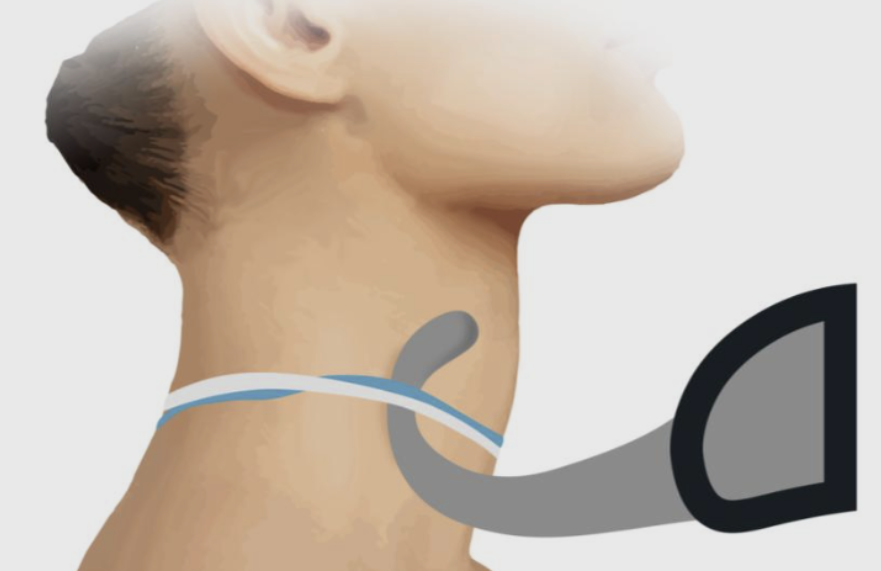
Environment Matters
Level 2 Award in Ligature Management and Room Search
Why This Training Matters
Environmental risks, particularly ligature-related risks, remain a critical safety concern in mental health and care settings.
Without effective training, risks include:
Missed ligature points or environmental hazards
Inconsistent room search practices
Increased risk of serious incidents or self-harm
Poor risk awareness across teams
Reduced confidence in managing safety-critical environments
This training supports a proactive, prevention-led approach to safety, ensuring staff can identify risks early and act appropriately.
About this course
The Level 2 Award in Ligature Management and Room Search is designed for professionals working in mental health, complex care, inpatient services, and supported environments where environmental risk can present significant safety challenges.
This programme provides delegates with the skills and knowledge required to identify ligature risks, conduct structured room searches, and manage environmental hazards proactively and safely.
The course supports organisations in reducing preventable harm by strengthening situational awareness, environmental safety standards, and proactive risk management
What the Course Covers
The programme includes:
Ligature awareness and identification of risk points
Environmental risk assessment and management
Structured room search procedures and techniques
Safe and consistent search methodologies
Documentation and reporting requirements
Legal and organisational responsibilities for safety
Prevention-led risk reduction strategies
Incident prevention and escalation awareness
Safer environment design principles
Learning Outcomes
By the end of the course, delegates will be able to:
Identify ligature risks and environmental hazards effectively
Remove ligatures safely
Conduct safe, structured room searches
Apply consistent risk management approaches
Improve situational awareness in care environments
Contribute to safer service environments proactively
Support organisational compliance and safeguarding practices
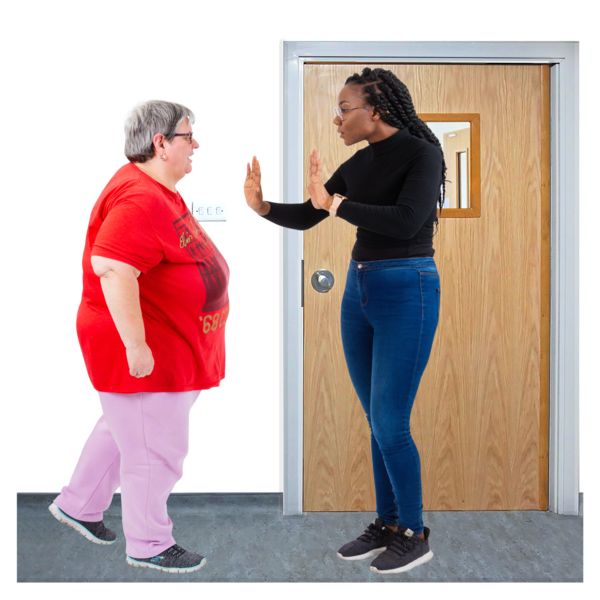
Be real about safety.
Level 2 Award in Positive Handling
What the Course Covers
Delegates will explore:
Conflict prevention and early intervention
Behavioural escalation and distress indicators
Dynamic risk assessment
Communication and de-escalation strategies
Safe positive handling principles
Lawful and proportionate physical intervention
Team intervention approaches
Post-incident support and reflection
Documentation and reporting requirements
Restrictive practice governance principles
The course combines theoretical learning with practical skills development and focuses on creating safer outcomes for:
Service users
Patients
Young people
Staff teams
Wider care environments
Training is aligned to current expectations surrounding:
Restrictive practice
Workforce safety
Safeguarding
Risk management
Least restrictive intervention
Trauma-informed care
Learning Outcomes
By the end of the course, delegates will be able to:
Identify and respond to behavioural escalation safely
Apply de-escalation and communication strategies effectively
Understand the legal and ethical framework surrounding intervention
Demonstrate safe and proportionate physical intervention techniques
Reduce risk of harm to themselves and others
Contribute to safer, more consistent care delivery
Training Approach
Our training combines operational realism with professional governance standards.
Sessions are delivered by experienced professionals with backgrounds in:
Complex care
Mental health
Violence reduction
Restrictive practice governance
High-risk behavioural support
Training is practical, interactive, and focused on real-world application rather than theory alone.

For high-risk services.
Level 2 Award in Prevention & Management of Violence and Aggression
The programme is particularly relevant for providers supporting individuals with:
Mental health needs
Learning disabilities
Autism
Trauma-related presentations
Behavioural distress
Complex and forensic presentations
What the Course Covers
The programme includes:
Prevention and early intervention strategies
Understanding aggression and behavioural escalation
Dynamic risk assessment
Communication and de-escalation skills
Crisis response principles
Safe disengagement and intervention techniques
Team coordination during incidents
Post-incident management and learning
Legal and ethical responsibilities
Restrictive practice governance
Learning Outcomes
By the end of the course, delegates will be able to:
Recognise early warning signs of aggression and escalation
Apply de-escalation and prevention strategies effectively
Respond to incidents safely and proportionately
Understand the legal framework surrounding restrictive intervention
Support safer environments for both staff and service users
Contribute to post-incident learning and reflective practice
Course Delivery
Training is delivered by experienced instructors with operational backgrounds across:
Mental health
Complex care
Restrictive practice governance
Violence reduction
High-risk behavioural support environments
The course combines practical learning, operational realism, and reflective practice to ensure delegates leave with confidence and competence.
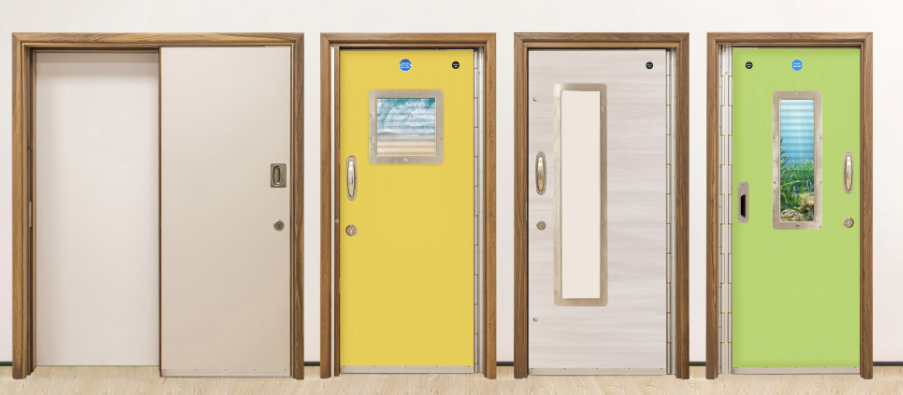
For delegates working with Long term mechanical restriction
Level 2 Award in Mechanical Intervention & Restrictive Equipment Safety
About this course
The Level 2 Award in Mechanical Intervention & Restrictive Equipment Safety is designed for professionals working within mental health, complex care, and high-risk environments where the use of restrictive equipment may be required as part of a structured risk management approach.
This programme provides delegates with the practical skills and theoretical understanding required to safely understand, apply, and manage mechanical restrictive equipment in a lawful, ethical, and proportionate manner.
The course supports organisations to strengthen workforce safety, improve consistency of practice, and ensure that any use of restrictive equipment is underpinned by clear legal, clinical, and safeguarding principles
Why This Training Matters
The use of restrictive equipment carries significant risks and responsibilities. Without appropriate training, there is increased risk of:
Physical harm to service users and staff
Unsafe or unlawful application of equipment
Breaches of human rights and safeguarding standards
Inconsistent practice across teams
Increased organisational liability
Effective training ensures staff can make informed, proportionate decisions in high-pressure situations while maintaining safety, dignity, and legal compliance.
What the Course Covers
The programme includes:
Types of mechanical restrictive practices and their safe use (including LTS and seclusion)
Legal frameworks governing restraint and restrictive interventions
Health and safety responsibilities (including equipment handling and storage)
Risk assessment principles relating to physical intervention
Risks associated with restraint (including positional and physical risks)
Safe application, monitoring, and removal procedures
Proportionate decision-making in high-risk situations
Team-based response and communication during incidents
Post-incident reflection and reporting requirements
Ethical practice and least restrictive principles
Learning Outcomes
By the end of the course, delegates will be able to:
Understand when restrictive equipment may or may not be appropriate
Apply safe and lawful techniques in line with policy and legislation
Recognise and reduce physical and psychological risks
Work effectively within a coordinated team response
Demonstrate awareness of legal and ethical responsibilities
Support safer outcomes for both service users and staff
Book a Safety Course Now!
Take the next step in developing your team with accredited training designed for complex mental health and social care environments.